Alger's Art Pulse: Where Festival Lights Ignite the Soul
You know that electric feeling when music spills into the streets and colors explode on ancient walls? That’s Algiers during festival season—raw, real, and vibrating with artistic fire. I didn’t just visit; I lived inside a moving canvas where tradition and modern art collide. This isn’t just celebration—it’s cultural storytelling at its most vivid. If you’ve ever wanted to feel a city’s heartbeat through dance, paint, and poetry, then you gotta experience Algiers when the festivals begin. Here, art isn’t confined to galleries or scheduled performances. It flows through alleyways, echoes in the Casbah, and dances in the Mediterranean breeze. For travelers seeking authenticity, emotional depth, and creative energy, Algiers offers a rare gift: a living culture that doesn’t perform for the outside world—it simply lives, breathes, and shares.
The Artistic Soul of Algiers: A City in Motion
Algiers, the capital of Algeria, stands as one of North Africa’s most dynamic cultural crossroads. Nestled along the Mediterranean coast, the city carries centuries of history in its stone steps, whitewashed buildings, and narrow alleyways that climb the hills like whispers of the past. Yet beneath this historic surface pulses a modern rhythm, one driven by young artists, independent curators, and grassroots collectives determined to express their identity through bold, innovative forms. Algiers is not a museum piece preserved in time—it is a living, evolving city where every festival season transforms its public spaces into open-air stages for artistic expression. From the Kasbah to the Boulevard de l'Impératrice, sidewalks become galleries, plazas turn into dance floors, and architecture becomes part of the performance.
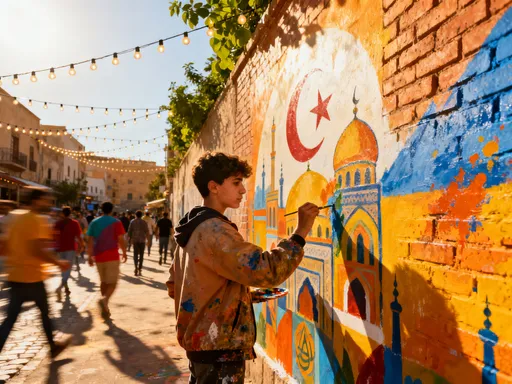
What sets Algiers apart is how seamlessly art integrates into daily life. During festival periods, murals appear overnight on once-plain walls, temporary installations emerge in vacant lots, and impromptu poetry readings unfold in neighborhood cafes. These are not tourist-driven spectacles but community-led initiatives that reflect the city’s social fabric. Local art groups, such as collectives based in youth centers and university campuses, play a crucial role in organizing exhibitions, coordinating street art projects, and inviting international collaborators. Their work ensures that the city’s creative energy remains rooted in local experience while embracing global influences. This blend of tradition and innovation makes Algiers a true cultural laboratory, where every festival is both a celebration and a conversation.
The city’s artistic pulse is especially visible in its use of public space. Unlike cities where art is confined to curated institutions, Algiers treats its streets as shared canvases. During major festivals, entire neighborhoods are reimagined. Buildings become projection screens for light shows, staircases host acoustic performances, and markets double as craft fairs. This democratization of art allows residents and visitors alike to engage with creativity in an organic, unstructured way. There is no need for tickets or formal invitations—only curiosity and openness. The result is a deeply inclusive atmosphere where art is not something to be observed from a distance but something to be lived, felt, and co-created.
Festival Rhythms: When Culture Takes Center Stage
At the heart of Algiers’ cultural calendar are its annual festivals, which bring together music, theater, visual arts, and performance in a vibrant display of national and international creativity. Among the most notable is the Algiers International Festival of Young Creators, an event that has grown steadily in influence over the past two decades. Designed to spotlight emerging talent, this festival provides a platform for young Algerian artists to present experimental works in painting, sculpture, digital media, and performance art. What makes it unique is its emphasis on dialogue—between generations, between disciplines, and between cultures. International artists are invited not as headliners but as collaborators, ensuring that the festival remains rooted in local voices while fostering cross-cultural exchange.
Music plays a central role in these celebrations, bridging the gap between heritage and innovation. Traditional forms such as Andalusian classical music and Chaabi—a folk style born in the working-class neighborhoods of Algiers—are performed alongside electronic remixes, jazz improvisations, and spoken word poetry. These performances often take place in historic venues like the Théâtre National d'Algérie or outdoor amphitheaters in public parks, but they also spill into the streets, where drum circles form spontaneously and dancers move to rhythms passed down through generations. The sound of the oud blends with modern beats, creating a sonic tapestry that reflects Algeria’s complex identity—deeply rooted in tradition, yet constantly evolving.
Equally compelling are the theater and dance performances that unfold during festival weeks. Street theater troupes stage socially conscious plays in public squares, using satire and symbolism to address themes like urban life, youth aspirations, and cultural memory. Dance companies blend traditional Algerian movements with contemporary choreography, often performing in unconventional spaces such as abandoned warehouses or seaside promenades. These performances are not polished for mass consumption; they are raw, emotional, and deeply personal. Audiences don’t just watch—they react, respond, and sometimes even join in. This level of engagement transforms the festival from a series of events into a collective experience, one that fosters connection and understanding across different segments of society.
From Casbah Walls to Open Streets: Art as Urban Dialogue
The evolution of street art in Algiers tells a story of resilience, identity, and hope. While public art has long existed in the form of mosaics and architectural details, the modern street art movement gained momentum after Algeria’s independence and saw renewed energy following the social changes of the 1990s. Today, murals and graffiti are more than decorative—they are a form of civic dialogue, a way for artists to comment on social issues, celebrate national heroes, and reimagine the city’s future. In neighborhoods like Bab El Oued, Belcourt, and the lower slopes of the Kasbah, walls once marked by neglect now glow with color and meaning. These artworks reflect themes of unity, cultural pride, and the everyday lives of ordinary people.
During festival seasons, this artistic transformation accelerates. Temporary installations appear in unexpected places—on bridges, in alleyways, even on the sides of construction barriers. Artists use stencils, paint, fabric, and recycled materials to create works that are both visually striking and socially relevant. Some pieces pay tribute to Algeria’s literary and musical icons, while others depict abstract visions of peace, progress, and renewal. Importantly, many of these projects are community-driven, involving local residents in the design and execution process. This collaborative approach ensures that the art resonates with the people who live there, turning public spaces into shared expressions of identity and aspiration.
The role of festivals in catalyzing this urban renewal cannot be overstated. They provide not only visibility but also legitimacy to forms of expression that might otherwise be overlooked. Municipal support, though sometimes limited, has grown in recent years, with city officials recognizing the value of art in revitalizing neighborhoods and fostering civic pride. Temporary permits allow artists to work legally in public areas, and some installations are preserved beyond the festival period, becoming permanent landmarks. This shift reflects a broader cultural change—one in which art is no longer seen as a luxury but as a vital part of urban life. In Algiers, the line between artist and citizen, between creator and viewer, continues to blur, creating a dynamic where everyone has a role to play in shaping the city’s visual and emotional landscape.
Experiencing the Festivals: A Traveler’s Immersive Journey
Attending a festival in Algiers is not about following a strict itinerary—it’s about surrendering to the rhythm of the city. A typical day might begin in the early morning with a workshop at a local cultural center, where visitors can learn traditional calligraphy, participate in a pottery demonstration, or try their hand at drumming with a local ensemble. These hands-on experiences offer a deeper understanding of Algerian artistry and provide a meaningful way to connect with local creators. The atmosphere is welcoming, with facilitators eager to share knowledge and stories. There’s no pressure to perform perfectly—only encouragement to engage, explore, and enjoy.
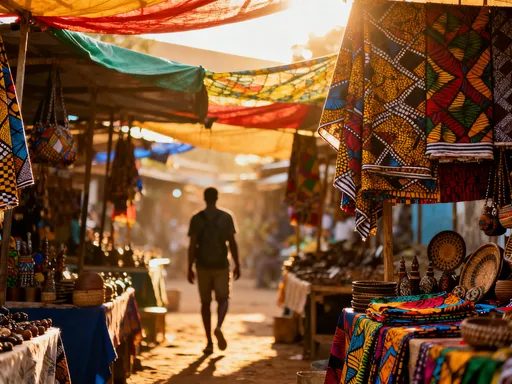
By midday, the energy shifts as parades wind through the streets. Colorful floats, dancers in vibrant costumes, and marching bands create a moving spectacle that draws crowds to the sidewalks. The scent of grilled meat, fresh bread, and cumin drifts from food stalls offering festival favorites like chorba (a hearty soup), brik (a crispy pastry), and sweet mint tea served in ornate glasses. Children run alongside the procession, waving flags and laughing, while elders watch from balconies, nodding to familiar rhythms. The soundscape is rich and layered—the beat of the darbuka, the melody of the gasba flute, the hum of conversation in Arabic, French, and Tamazight. It’s a sensory immersion that makes you feel, even as a visitor, like part of the community.
As evening falls, the city lights up for the main performances. Outdoor concerts take place in public squares or along the seafront, where the Mediterranean breeze carries the music across the water. Seating is often informal—people sit on blankets, stand in clusters, or perch on stone walls. The performances vary nightly, from classical Andalusian orchestras to modern fusion bands blending Rai vocals with electronic beats. There’s a sense of spontaneity; sometimes, an encore erupts into an impromptu dance party, with strangers linking arms and moving together under the stars. For travelers, these moments are unforgettable—not because they are perfectly staged, but because they are genuine, unscripted, and full of joy.
For those planning a visit, timing is key. The festival season typically runs from late spring through early autumn, with peak activity in June, July, and September. Checking local cultural calendars in advance helps identify major events and secure accommodations. While some performances are free and open to all, others may require advance registration, especially workshops or indoor exhibitions. Respecting local customs—such as dressing modestly and asking permission before photographing performers—ensures a positive and meaningful experience. Most importantly, approaching the festival with an open heart and a willingness to participate—whether by clapping along, trying a new dish, or simply listening—allows visitors to truly connect with the spirit of Algiers.
Why Algiers Stands Out: Authenticity Over Spectacle
In an age where many cultural festivals are increasingly commercialized, Algiers offers something rare: authenticity. Unlike large-scale events in Europe or the Gulf region, where production values often overshadow substance, Algiers’ festivals are rooted in community, creativity, and cultural continuity. There are no corporate sponsorships dominating the skyline, no overpriced VIP zones, and no performances designed solely for social media virality. Instead, the focus remains on artistic expression, local participation, and meaningful exchange. This grassroots character gives the festivals a sincerity that resonates deeply with those who experience them.
Another distinguishing feature is the absence of tourist packaging. While visitors are welcome, the festivals are not curated for foreign audiences. Performances are in local languages, schedules follow community rhythms, and the overall pace is unhurried. This lack of commercialization means that what you see and feel in Algiers is not a performance of culture but culture itself—alive, evolving, and unfiltered. For travelers accustomed to highly structured itineraries, this can be both refreshing and challenging. It requires patience, adaptability, and a willingness to embrace uncertainty. But for those who do, the reward is profound: a genuine connection to a place and its people.
The emotional impact of this authenticity cannot be overstated. To stand in a crowd where generations dance together, where artists speak through color and sound, where every gesture carries meaning—is to witness culture as a living force. In Algiers, art is not a product to be consumed but a process to be shared. This depth of experience transforms travel from a series of sights into a journey of the soul. It reminds us that the most powerful cultural moments are not those that dazzle the eye, but those that touch the heart.
Navigating the City: Smart Travel Tips for Art-Focused Visitors
Getting around Algiers during festival season requires a mix of planning and flexibility. The city’s modern tram system is one of the most efficient ways to travel between cultural districts, with lines connecting key areas like the Kasbah, Bab El Oued, and the city center. Trams are clean, punctual, and well-marked, making them ideal for visitors. However, during peak festival days, they can become crowded, so early travel is advisable. For shorter distances, walking is often the best option, especially in the historic neighborhoods where streets are narrow and vehicle access is limited. Comfortable shoes are essential, as many areas involve steep climbs and uneven surfaces.
Accommodation choices can enhance the festival experience. Staying in or near cultural hubs like the Kasbah or Bab El Oued allows for maximum immersion. These neighborhoods are not only rich in history but also serve as epicenters of artistic activity during festivals. Guesthouses, boutique hotels, and family-run lodgings offer cozy, authentic stays with personal touches. Booking in advance is recommended, as availability can be limited during major events. For those seeking more amenities, central hotels along the waterfront provide comfort and easy access to main performance venues.
To connect more deeply with the local art scene, visitors should explore cultural centers such as the Atelier de Création and university-affiliated galleries, which often host smaller exhibitions, artist talks, and open studios. These spaces provide intimate opportunities to meet creators, learn about their processes, and gain insight into contemporary Algerian art. Following local cultural organizations on social media or picking up printed programs at tourist offices can help identify these events. Additionally, attending university-organized festivals or community workshops offers a behind-the-scenes look at how art is nurtured at the grassroots level. These experiences, though less publicized, are often the most rewarding.
Conclusion: Carry the Rhythm Home
Witnessing art in motion transforms the way we travel. In Algiers, festivals are not just events to attend—they are invitations to participate in a living culture. The city does not perform for visitors; it opens its doors and says, “This is who we are.” To walk its streets during festival season is to see creativity not as a luxury but as a necessity, woven into the fabric of daily life. The murals, the music, the dances—they are not displays of heritage but expressions of ongoing identity, shaped by history, hope, and human connection.
For women between 30 and 55, many of whom seek meaningful, enriching travel experiences, Algiers offers a powerful reminder that beauty and inspiration can be found in authenticity. There is a deep emotional resonance in seeing communities come together through art, in hearing stories told through rhythm and color, in feeling the pulse of a city that celebrates life with honesty and passion. This is not escapism—it is engagement. It is travel that nurtures the soul as much as the mind.
So as you plan your next journey, consider destinations where culture breathes freely and creativity thrives in public spaces. Seek out places like Algiers, where festivals are not about spectacle but about shared humanity. Once you’ve danced in its light, listened to its songs, and felt its rhythm in your chest, you’ll carry that energy with you long after you’ve returned home. And in that quiet moment, when life feels routine, you’ll remember: somewhere, under the Mediterranean sky, the music still plays, and the walls still sing.