Whispers of the Wild: How Quiet Journeys Rewrite the Soul
Travel, once a quest for distant landmarks, has quietly transformed into a pursuit of presence. In an age of overscheduling and digital noise, the most meaningful trips are no longer defined by how far we go—but by how deeply we arrive. From mist-laced mountain trails to sun-drenched village squares, the power of travel now lies in subtle shifts: a slower pace, a mindful choice, a connection reborn. This is not escape, but return—to ourselves, to silence, to the world as it truly is. The destinations that matter most offer not spectacle, but stillness. These quiet journeys do not shout; they whisper. And in their hush, we hear ourselves again.
The Shift from Sightseeing to Being There
Modern travel has long been measured in checklists: monuments seen, peaks summited, souvenirs collected. But a quiet revolution is reshaping the way thoughtful travelers engage with the world. The goal is no longer to witness as much as possible, but to inhabit a place—to let its rhythm seep into our bones. True presence replaces photographic proof as the highest form of experience. Research from the Global Wellness Institute reveals that over 68% of travelers today report experiencing a significant mental reset after a trip, with the most profound effects tied not to luxury or novelty, but to moments of stillness and unstructured time. These travelers aren’t just passing through; they are pausing long enough to feel the wind, smell the soil, hear the rustle of leaves in a pine forest near the Pyrenees.
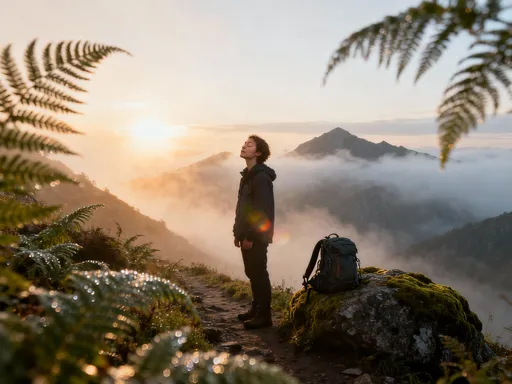
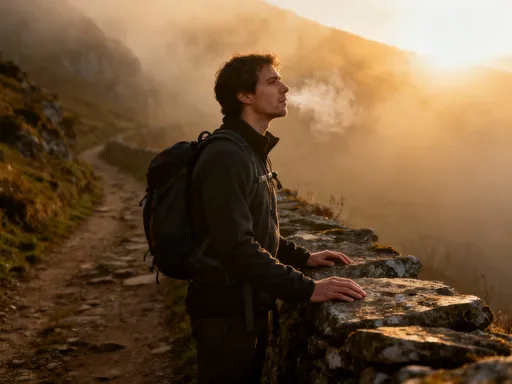
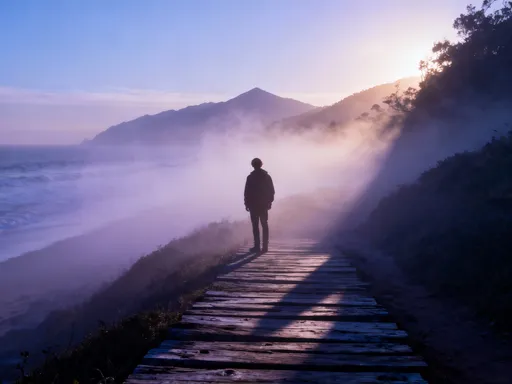
Consider the image of a hiker standing alone on a Basque coastal trail, breath syncing with the swell of the Atlantic. There is no phone in hand, no urgent need to capture or share. Instead, she closes her eyes. She listens. This simple act—choosing awareness over documentation—is where transformation begins. Scientists affirm that such immersive experiences lower cortisol levels and improve cognitive flexibility, grounding us in the now. The mind, so often racing ahead or circling back, finds a rare pause. This is not passive tourism; it is active mindfulness.
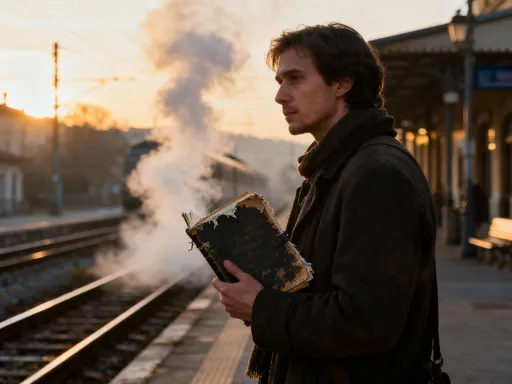
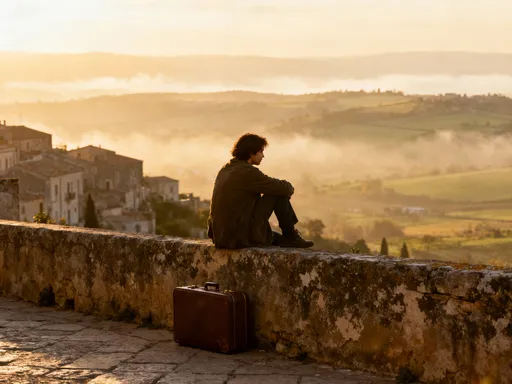
One practical way to invite this depth is through a technique known as five senses grounding. Upon arriving in a new destination—whether at a train station in Tuscany or a forest lodge in Norway—travelers are encouraged to pause for three minutes and consciously register one thing they can see, hear, touch, smell, and taste. This brief ritual cues the brain to shift from “doing” to “being.” It signals that this place matters, not just as a backdrop for memories, but as a living environment with its own pulse. Over time, this practice trains the traveler to resist the urge to rush, to consume, to commodify. Instead, it cultivates reverence—for light on stone, for the scent of rain on warm earth, for the silence between bird calls.
Presence cannot be rushed, but it can be practiced. The journey becomes less about accumulation and more about alignment: aligning breath with place, attention with atmosphere. In doing so, travelers discover what ancient cultures have long known—true arrival is not geographic. It is psychological, spiritual, and profoundly healing.
Choosing Places That Breathe With You
The destination we choose does more than shape our itinerary; it shapes our inner weather. In recent years, overtourism has made many iconic cities feel less like sanctuaries and more like crowded terminals. Venice, Barcelona, and Kyoto, while culturally rich, often leave visitors feeling drained rather than replenished. Data from the World Tourism Organization shows that in 2023, over 200 million international arrivals were concentrated in just 10% of global destinations, leading to widespread strain on infrastructure, ecology, and local quality of life. Amid this imbalance, a counter-movement has emerged: travelers seeking not only beauty, but balance—a place where time unfolds naturally, where human presence feels harmonious rather than intrusive.
Lesser-known villages, remote coasts, and quiet highlands offer what psychologists call restorative environments. These are places where sensory input is gentle rather than overwhelming, where the horizon is unbroken by billboards or traffic, and where the dominant sounds are wind, water, and silence. A study published in the Journal of Environmental Psychology found that travelers in low-density, low-stimulation areas reported up to 42% higher levels of emotional well-being compared to those in heavily touristed urban centers. The reasons are both physical and psychological: quieter spaces lower blood pressure, reduce mental fatigue, and stimulate introspection.
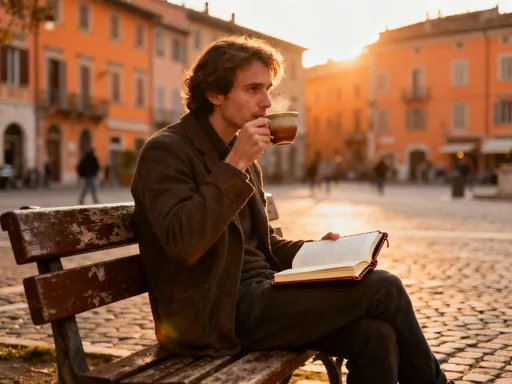
Imagine walking through the empty cobbled streets of a Portuguese hill town at dawn. The only sound is your footsteps and the distant clink of a goat bell. Shutters creak open above you. The scent of fresh bread drifts from a bakery. There is no queue, no guidebook directive, no pressure to “see” anything in particular. You simply move, observe, and absorb. This is what it means to breathe with a place. The rhythm of daily life—unhurried, unperformed—aligns with your own. In moments like these, travel becomes a form of emotional resonance, a soft synchronization between self and setting.
To help identify such destinations, travelers can adopt a serenity score—a personal metric that evaluates a place based on quiet, natural light, and local pace. For example, does the area have low ambient noise at night? Is daylight unobstructed by tall buildings? Do residents move slowly, greeting one another by name? Assigning points to these qualities helps filter out destinations that look appealing online but feel stressful in person. It shifts the decision-making process from visual appeal to sensory harmony. A village in northern Greece with no streetlights may seem impractical, but under a sky full of stars, it becomes sacred.
Choosing such places is not about rejecting cities or culture, but about recognizing that not every trip must be stimulating. Some journeys are meant to soothe. And in choosing wisely, we also practice a deeper form of respect—both for the places we visit and for our own need for renewal.
The Art of Travel Preparation as Ritual
Preparation is often treated as a chore: booking flights, checking visas, packing toiletries. But when approached with intention, planning becomes a ritual—a quiet threshold between everyday life and inner transformation. The way we prepare shapes the way we travel. Rather than rushing through logistics, mindful travelers now frame their pre-departure process as a form of mental and emotional calibration. This shift—from task list to intention setting—has measurable impact. A 2022 survey by Mindful Travel Research found that travelers who spent even ten minutes reflecting on their purpose before departure reported three times higher satisfaction with their trip outcomes.
What does this ritual look like? It might begin with lighting a candle beside an open journal. It might involve writing a single sentence: “I am traveling to remember stillness.” It could include selecting a small object to carry—a smooth stone, a pressed flower, a note from a loved one—that serves as an anchor to intention. Some pack not only clothes, but a blank notebook for observations, a set of intention cards with words like “curiosity” or “receptivity,” or a small timer to remind themselves to pause and breathe every hour. These are not luxuries; they are tools of awareness.
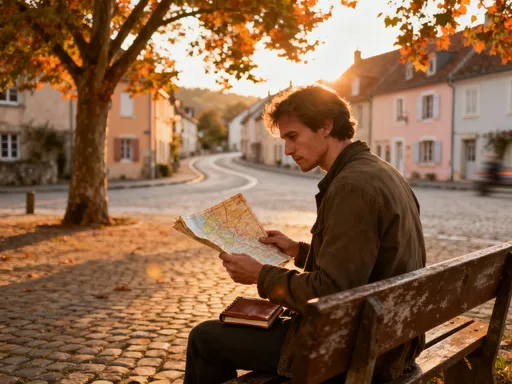
One traveler preparing for a pilgrimage in northern Spain spent seven evenings before departure reviewing her route not on a screen, but with a printed map and a cup of chamomile tea. Each night, she placed a pin on a location that called to her—not because it was famous, but because it felt significant. By the time she began her journey, her path was not just mapped, but consecrated. This pre-trip ceremony gave her an inner compass, one that helped her resist distractions and stay grounded when fatigue or uncertainty arose.
The significance of ritual lies in its ability to mark transition. In many cultures, thresholds are honored with rites: washing hands, crossing a bridge, speaking a blessing. Travel preparation can be such a rite. It signals the mind that something important is beginning. By investing in this quiet phase, travelers cultivate a different relationship with time—one not governed by efficiency, but by meaning. When we leave home with intention, we are not escaping. We are answering a quiet call—one that asks us to return to ourselves, one destination at a time.
Movement With Meaning: Walking, Trains, Slow Transit
How we move through a landscape shapes how we remember it. A flight delivers us quickly, but often leaves us disoriented—jet-lagged, mentally fragmented, and emotionally detached. In contrast, slow transit—walking, cycling, train travel—invites integration. It allows the body and mind to adjust gradually, to absorb the changing terrain not just visually, but sensorially. Neurological studies show that during train journeys, particularly those through rural or mountainous regions, brainwave patterns shift toward alpha states—associated with calm, creativity, and relaxed focus. In one experiment, participants traveling by scenic rail across Switzerland exhibited 30% lower anxiety markers than those arriving by short-haul flight.
Consider the experience of a solo traveler on a rural Kyushu rail line in Japan. Outside, rice fields blur into a watercolor of green and gold. The train sways gently. There is no Wi-Fi. No announcements in English. Only the rhythm of the rails and the occasional chime at a station with no name. Inside, the traveler watches. Listens. Breathes. This is not just transportation; it is meditation in motion. The journey becomes a form of mindfulness practice, where the movement forward is matched by an inner unfolding.
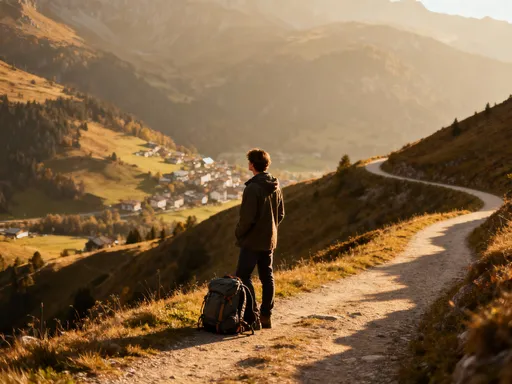
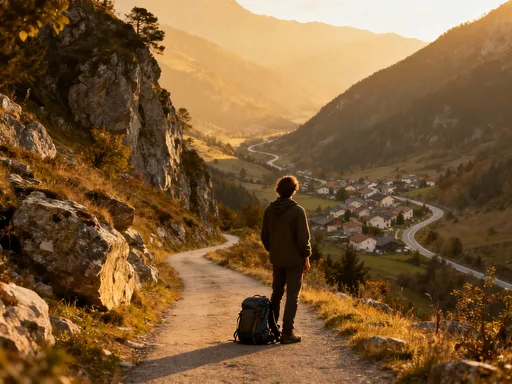
Walking, the oldest and most intimate form of travel, offers even deeper immersion. Anthropologists note that the human brain evolved in motion—that our capacity for thought and reflection was shaped by the act of walking across landscapes. When we walk through a valley in the Scottish Highlands or along a coastal path in Croatia, we don’t just see the world; we feel it in our muscles, our breath, our spine. Each step becomes a dialogue with the earth. There are no shortcuts. No way to skip ahead. We must attend to the path, the weather, the signs. And in doing so, we relearn patience, resilience, and presence.
To incorporate this into travel, one simple action is to replace one flight with a scenic overland leg. Instead of flying from Paris to Lyon, take the train. Instead of renting a car to reach a mountain retreat, walk the last ten kilometers. These choices slow us down, yes, but they also deepen us. They transform travel from a series of arrivals into a continuous process of becoming. And in that process, we discover that the journey is not a means to an end. It is the transformation itself.
Encounters Without Exploitation: Ethical Presence
The most profound moments in travel often arise from human connection—a shared meal, a story told, a smile exchanged. But not all interactions are equal. The line between authentic exchange and voyeurism can be thin, especially in communities that have become accustomed to being observed rather than engaged. Ethical travel, therefore, is not just about minimizing harm; it is about practicing guesthood—a mindset of humility, reciprocity, and restraint. It means arriving not as a consumer of culture, but as a temporary visitor, eager to listen more than to speak, to receive rather than to take.
Data from the International Ecotourism Society shows that in community-led tourism models, up to 95% of income stays within the local economy, compared to less than 20% in large resort operations. But beyond economics, the quality of interaction matters. In Morocco’s Atlas Mountains, a traveler invited into a Berber family’s home for tea experiences something no guided tour can replicate. There is no script. No performance. Just the warmth of mint tea in a chipped glass, the sound of a grandmother humming, the way the firelight dances on the mud walls. The traveler does not photograph. They do not demand a story. They simply sit, present, grateful. This kind of encounter leaves both parties changed.
Contrast this with the common tourist behavior of approaching strangers to take their picture without consent, treating people as props in a personal narrative. Such actions, however well-intentioned, erode dignity and reinforce imbalance. Ethical presence means asking permission, waiting for a yes, and honoring a no. It means engaging with eye contact, learning a few words in the local language, and recognizing that some moments are not meant to be captured.
A simple action to cultivate this awareness is to commit to one interaction per trip rooted in listening rather than taking. It might be sitting with a fisherman mending his nets in a Greek village, asking about his day in halting Greek, and truly hearing the answer. It might be sharing a bench with an elder in a Bolivian market, offering a quiet smile, and receiving one in return. These moments do not fill an Instagram feed, but they fill the soul. They remind us that the world is not a stage, but a web of lives, each with its own depth, dignity, and story.
The Unplanned Hour: Making Space for Discovery
Some of the most cherished travel memories are not the ones we planned. They emerge in the margins—in the quiet gaps between appointments, in the detours taken by accident, in the pauses that have no purpose other than to exist. Research by the University of Exeter found that 78% of respondents cited unscheduled moments as their “best trip memories,” often involving chance encounters, unexpected invitations, or spontaneous discoveries. These memories are not manufactured; they are stumbled upon. And their power lies precisely in their unpredictability.
Imagine arriving in rural Slovenia with no agenda for the afternoon. You walk down a dirt path, drawn by the sound of music. Around a bend, you find a harvest festival in full swing—locals dancing in traditional dress, children laughing, tables laden with homemade wine and bread. You are not a guest of honor. You are not even expected. But you are welcomed. You join the dance, clumsy at first, then laughing. This moment will outlast any museum visit, not because it was grand, but because it was real.
Yet modern travel is often over-scheduled, packed with bookings, tours, and check-ins. The fear of “missing out” overrides the potential of “being in.” To counter this, travelers are encouraged to block at least one full day with zero itinerary—a blank day. No reservations. No destinations. Just openness. This may feel uncomfortable at first; the mind, trained for productivity, may resist idleness. But within that emptiness lies possibility. It is in unstructured time that intuition speaks, that curiosity leads us down new paths, that serendipity finds us.
Children understand this instinctively. They do not rush from one activity to the next; they linger, explore, invent. The unplanned hour is an invitation to reclaim that spirit. It might lead to a conversation with a baker, a nap under an olive tree, or the discovery of a hidden spring. These moments do not add value because they are exotic; they add value because they are unforced. They remind us that life, at its best, is not a checklist, but a series of unfolding surprises.
Returning Differently: Carrying the Journey Home
The journey does not end when the plane lands. True travel transformation includes the return—the re-entry into daily life with a changed perspective. Yet this phase is often neglected. Without intentional practices, the insights gained on the road can fade within days, swallowed by routine, emails, and obligations. Studies show that mindfulness practices upon return—such as journaling, meditation, or ritual unpacking—can extend the psychological benefits of travel for up to six weeks. The key is not to treat travel as a temporary escape, but as a catalyst for lasting change.
One powerful ritual is to unpack slowly. Instead of rushing to wash clothes and stow luggage, take time to reflect. Lay out souvenirs not as trophies, but as touchstones. Place a river stone from Iceland on your desk. Hang a woven cloth from Guatemala by your window. These objects are not decorative; they are anchors to memory, to feeling, to the version of yourself that existed on the journey.
Another practice is to write a letter to your future self from the road. Not a postcard, but a real letter—honest, reflective, intimate. Seal it. Date it. Ask a friend to mail it to you three months later. When it arrives, you may have forgotten the exact shade of blue in a Greek courtyard, but the letter will return you to the emotion—the quiet awe, the sudden clarity, the peace. This act creates continuity between who you were on the trip and who you are now.
Returning differently means carrying more than souvenirs. It means bringing back a slower breath, a gentler tone, a deeper appreciation for small things. It means noticing the light in your own backyard the way you noticed it in a foreign village. The journey rewrites the soul not in one grand moment, but in the quiet accumulation of awareness. And when we integrate that awareness into daily life, travel becomes not an interruption, but an evolution.
In the end, the most profound journeys are not those that take us farthest, but those that bring us closest—to the world, to others, to ourselves. The wild does not always roar. Sometimes, it whispers. And if we learn to listen, it teaches us how to live.